Workplaces today are not what they used to be a decade ago. With rapid industrial growth, increasing machinery use, and tighter project timelines, the risks on the ground have also multiplied. From construction sites to manufacturing units, even a small accident can lead to serious injuries, productivity loss, and legal complications.
This is where safety footwear steps in as a basic necessity rather than an optional purchase. Employers are now more aware that protecting workers’ feet is just as important as providing helmets or gloves. A single falling object, sharp debris, or slippery surface can cause long-term damage if proper footwear is not used.
Across industries, companies are now actively investing in certified safety shoes to create a safer environment. This shift is not only about compliance—it’s about responsibility, efficiency, and long-term cost savings.
In today’s rapidly evolving industrial environments, safety footwear has shifted from being a recommended precaution to an absolute necessity, as workplaces increasingly deal with heavy machinery, hazardous materials, sharp objects, and high-risk operations that expose workers to potential injuries on a daily basis; companies like Prizma Safetech understand that proper safety shoes not only protect against accidents such as crush injuries, slips, punctures, and electrical hazards but also contribute to improved productivity, reduced downtime, and compliance with workplace safety regulations, making them an essential component of any responsible industrial setup.
When you see an ISI mark on safety shoes, it’s not just a symbol—it’s a sign of trust. The certification is issued by the Bureau of Indian Standards, ensuring that the product meets specific safety and quality benchmarks.
ISI-certified safety shoes go through multiple levels of testing before reaching the market. These tests evaluate durability, impact resistance, slip resistance, and overall performance under harsh working conditions.
Here’s what ISI certification ensures:
Without this certification, there’s always uncertainty about how the footwear will perform in real-world conditions.
Behind every pair of ISI-marked safety shoes lies a set of technical standards designed to protect workers effectively. These standards define how much force a shoe can withstand, how resistant it is to slipping, and how it behaves under stress.
For example, impact resistance tests ensure that the toe cap can handle heavy loads without collapsing. Sole testing checks whether the shoe can maintain grip on oily or wet surfaces. Electrical resistance tests are important for workers dealing with live wires or sensitive equipment.
To simplify, here’s a quick overview:
| Parameter | What It Tests | Why It Matters |
|---|---|---|
| Impact Resistance | Strength of toe cap | Prevents foot injuries from falling objects |
| Slip Resistance | Grip on surfaces | Reduces chances of slipping |
| Sole Flexibility | Bending strength | Ensures comfort during movement |
| Electrical Resistance | Insulation capacity | Protects from electric shocks |
These technical aspects work together to deliver reliable performance in demanding environments.
The durability and comfort of safety shoes largely depend on the materials used in their construction. Manufacturers carefully select materials based on the intended use and level of protection required.
Leather is commonly used for its strength and durability, especially in heavy-duty environments. Synthetic materials, on the other hand, offer lightweight options and resistance to water and chemicals.
Sole materials also play a critical role. PU (Polyurethane) soles are lightweight and flexible, while rubber soles provide better heat resistance and grip.
Here’s a simple comparison:
| Material Type | Key Benefit | Best Use Case |
|---|---|---|
| Leather | Strong and durable | Construction, heavy industry |
| Synthetic | Lightweight and water-resistant | Logistics, light-duty work |
| PU Sole | Flexible and shock-absorbing | Long working hours |
| Rubber Sole | Heat and slip resistant | High-temperature environments |
Choosing the right material ensures both safety and comfort throughout the workday.
The demand for safety shoes has seen a noticeable rise, especially in industrial hubs like Delhi. With ongoing infrastructure projects, expanding factories, and a growing logistics sector, the need for protective gear is at an all-time high.
Industries such as construction, manufacturing, warehousing, and transportation are leading this demand. Workers in these sectors face daily exposure to risks like heavy machinery, sharp tools, and uneven surfaces.
Delhi’s strong supply chain network also makes it easier for businesses across India to source safety footwear quickly and efficiently.
The journey of a safety shoe begins with design and ends with rigorous testing. Each step in the manufacturing process is carefully controlled to maintain quality.
The process typically includes:
Before reaching the market, every batch undergoes quality checks to ensure it meets ISI standards. This structured approach ensures consistency in every pair produced.
One of the biggest challenges buyers face is distinguishing between manufacturers and traders. While traders may offer lower prices, they often lack control over quality and consistency.
A genuine manufacturer usually has:
Working directly with manufacturers ensures better pricing, customization options, and reliable supply.
Distinguishing a genuine safety shoe manufacturer from a trader is essential for ensuring product quality and reliability, and factors such as in-house production facilities, customization capabilities, certification authenticity, consistent supply, and technical expertise are key indicators, which is why companies like Prizma Safetech emphasize transparency, direct manufacturing, and quality assurance to build trust with their clients.
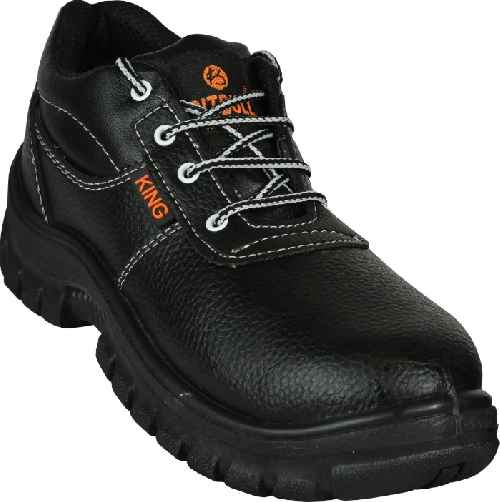
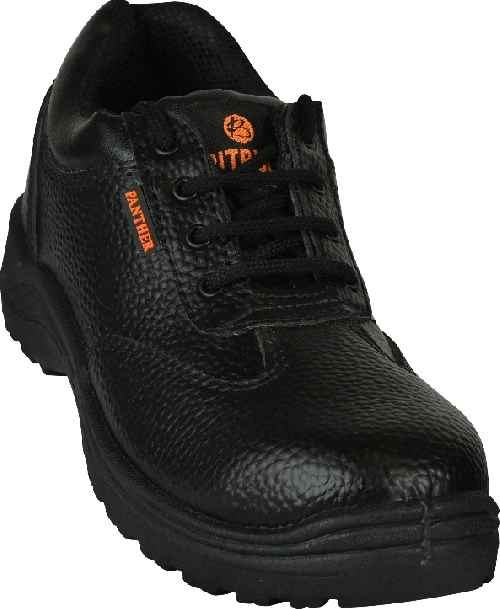
Prizma Safetech Pvt. Ltd. stands as a trusted and established name in the industrial safety sector, backed by over 22 years of experience in manufacturing and supplying high-quality safety footwear. With a strong presence in the market, the company specializes in a wide range of industrial safety shoes, including King, Power Plus, Panther, Pilot, Falcon, and Bullet variants, designed to meet diverse workplace safety requirements.
Driven by a commitment to quality, durability, and worker protection, Prizma Safetech ensures that every product is manufactured using premium raw materials sourced from reliable vendors. The company follows strict quality standards at every stage of production, ensuring defect-free and performance-oriented safety shoes for industrial use.
Customer satisfaction remains at the core of the company’s operations. By maintaining strong relationships with clients and continuously understanding their evolving needs, Prizma Safetech Pvt. Ltd. consistently delivers solutions that align with industry demands. The positive feedback from clients reflects the company’s dedication to reliability and service excellence.
Different workplaces require different types of protection. Safety shoes are designed to address specific risks, making it important to choose the right type.
Some common categories include:
Selecting the right type helps in minimizing workplace risks effectively.
Safety alone is not enough—comfort is equally important. Workers often wear safety shoes for long hours, making ergonomic design essential.
Modern safety shoes are designed with:
These features ensure that workers can stay productive without discomfort.
For businesses, buying safety shoes in bulk requires proper planning. It’s not just about quantity—it’s about choosing the right mix of sizes, types, and features.
Key considerations include:
Bulk purchasing directly from manufacturers also allows customization, such as adding company logos or specific design requirements.
When purchasing safety shoes in bulk, businesses and contractors must consider factors such as quality consistency, certification, pricing, customization options, and supplier reliability, and Prizma Safetech provides scalable solutions that meet bulk requirements while maintaining high standards, making it easier for organizations to equip their workforce efficiently.
The cost of safety shoes depends on multiple factors. Understanding these can help buyers make informed decisions.
Main pricing factors:
Higher-quality materials and certifications may increase the price, but they also ensure better durability and safety.
Before buying safety shoes, it’s important to verify their authenticity. A genuine ISI mark ensures that the product meets safety standards.
Quick checklist:
Avoid products that lack proper labeling or appear poorly finished.
Proper maintenance can significantly increase the lifespan of safety shoes. Regular care not only keeps them in good condition but also ensures continued protection.
Simple tips include:
Ignoring maintenance can reduce the effectiveness of safety features.
Despite growing awareness, buyers still face several challenges when purchasing safety shoes.
Common issues include:
Being aware of these challenges helps buyers make better decisions and avoid costly mistakes.
Buyers often face challenges such as inconsistent quality, counterfeit products, lack of proper certification, and unreliable suppliers in the safety footwear market, and Prizma Safetech addresses these issues by offering certified, high-quality products backed by industry expertise and dependable service.
The safety footwear industry is evolving rapidly with new technologies and materials. Manufacturers are focusing on making shoes lighter, stronger, and more comfortable.
Some recent innovations include:
These advancements are shaping the future of workplace safety.
Delhi has emerged as a major center for safety shoe manufacturing due to its strategic advantages. The availability of raw materials, skilled labor, and strong logistics support makes it an ideal location.
Manufacturers in Delhi can cater to both domestic and international markets efficiently. This has helped the region build a strong reputation in the safety footwear industry.
Delhi has emerged as a major hub for safety shoe manufacturing due to its strong industrial base, skilled workforce, supply chain accessibility, and growing demand, and companies like Prizma Safetech contribute to this ecosystem by delivering high-quality products that meet national and international standards.
Selecting the right manufacturer is crucial for businesses looking for consistent quality and supply. A reliable partner ensures that safety standards are maintained across all orders.
Important factors to consider:
Building a long-term relationship with a trusted manufacturer can lead to better pricing and smoother operations.
Safety shoes are more than just protective gear—they are an investment in workforce well-being and operational efficiency. By choosing ISI-marked safety shoes from reliable manufacturers, businesses can ensure a safer and more productive work environment.
1. What is the importance of ISI mark in safety shoes?
It ensures that the shoes meet safety standards set by BIS and provide reliable protection.
2. Are ISI safety shoes mandatory for all industries?
While not mandatory for all, many industries require them to comply with safety regulations.
3. How can I verify if a safety shoe is ISI certified?
Check for the ISI logo and license number, and verify it through BIS records.
4. Which material is best for safety shoes?
It depends on the application—leather is durable, while synthetic materials are lightweight and flexible.
5. How long do safety shoes typically last?
With proper use and maintenance, they can last 6–12 months or more depending on working conditions.