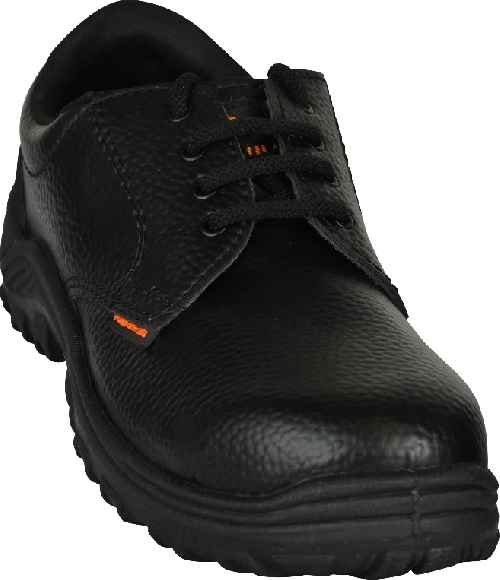
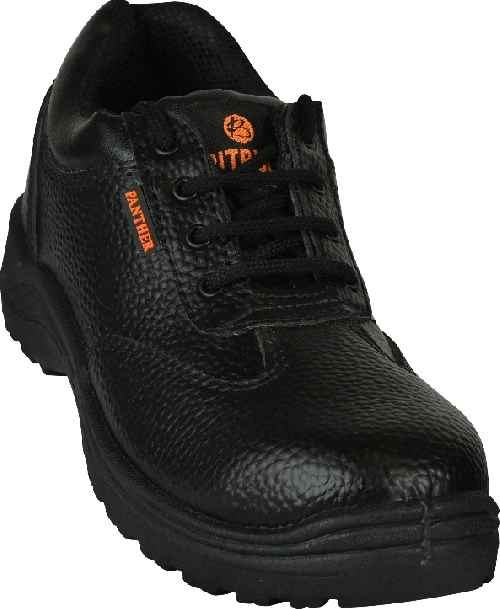
Electricians work in environments where danger doesn’t always announce itself. A live wire, an unnoticed fault in a panel, or accidental contact with energized equipment can turn a normal workday into a serious incident within seconds. While helmets, gloves, and insulated tools often get attention, footwear quietly plays an equally critical role in protection. Electrical Hazard (EH) safety shoes are designed specifically for this unseen layer of risk, helping to reduce the likelihood of electric current passing through the body during accidental contact.
What makes EH footwear especially important is that electrical accidents rarely come with warnings. One small mistake in a high-voltage environment can be enough. That’s where proper EH-rated shoes step in—not as comfort gear, but as a protective barrier between you and electrical ground paths.
Electricians often move between “safe-looking” and “dangerous” zones without much visual difference. A dry workshop floor may suddenly become conductive due to moisture, spilled oil, or hidden wiring faults. This unpredictability is what makes electrical safety footwear essential.
Here are some real-world situations where risk escalates quickly:
In each of these cases, the ground beneath your feet is not just a surface—it can become part of an electrical pathway. Even a brief exposure to current can cause muscle lock, burns, or worse. EH safety shoes are designed to reduce this risk by limiting current flow through the body when accidental contact occurs.
The term “EH rated” often sounds technical, but its purpose is simple: it indicates footwear tested to withstand electrical hazards up to a defined limit.
EH safety shoes are typically designed to provide secondary protection against accidental contact with live electrical circuits up to a certain voltage level under dry conditions.
It’s important to understand that EH shoes are not designed for direct live high-voltage contact work, but rather for accidental exposure scenarios. That distinction matters a lot in real-world safety planning.
At the core of EH footwear is one simple principle: interrupting the electrical path.
Electric current always seeks a path to the ground. When a person becomes part of that path, injury occurs. EH shoes are engineered to break or significantly resist that path using specialized materials.
A simplified way to understand it:
The shoe acts like a controlled “barrier zone” that slows or prevents electricity from completing its circuit through your body.
However, performance depends heavily on the condition. Wet, damaged, or worn-out shoes lose effectiveness significantly.
Not all safety shoes are built for electrical environments. A common mistake is assuming steel-toe shoes automatically provide electrical protection—they don’t.
Here’s a clear breakdown:
| Feature | EH Safety Shoes | Steel Toe Shoes | Anti-Static Shoes |
|---|---|---|---|
| Electrical protection | Yes (insulated sole) | No | Limited (static only) |
| Impact protection | Yes (varies by model) | Yes | Yes (basic level) |
| Suitable for electricians | Yes | Risky | Partially |
| Conductivity risk | Low | High | Moderate |
| Primary purpose | Electrical hazard protection | Mechanical protection | Static discharge control |
One of the biggest misconceptions is that steel-toe footwear is safe for electrical work. In reality, steel is conductive and can increase risk in certain situations.
At first glance, EH safety shoes look like regular industrial footwear. But inside, there’s a carefully engineered structure that supports insulation and durability.
Important design elements include:
These features work together quietly. You don’t “feel” electrical protection—but it’s happening in the background every step you take.
Electrical risk is not limited to one industry. It exists wherever live circuits or energized systems are present.
| Work Environment | Risk Level | Why EH Shoes Matter |
|---|---|---|
| Power substations | Very High | High voltage exposure risk |
| Industrial plants | High | Machinery + electrical panels |
| Construction sites | High | Temporary wiring systems |
| Commercial buildings | Medium | Maintenance of electrical systems |
| Residential repairs | Medium | Unexpected wiring faults |
In each of these environments, EH shoes act as a preventive safeguard against accidental contact situations.
EH safety shoes are not just branded products—they are tested under specific safety frameworks.
| Standard | Region | Purpose |
|---|---|---|
| ASTM F2413 EH | United States | Electrical hazard footwear testing |
| IS 15298 | India | Safety footwear requirements |
| EN ISO 20345 | Europe | General safety shoe classification |
| CE Certification | Europe | Compliance with safety norms |
These standards ensure that shoes meet minimum insulation and resistance levels under controlled conditions. However, certification does not replace maintenance—real-world performance still depends on usage.
Selecting EH footwear is not about style—it’s about matching protection with working conditions.
A practical approach is to prioritize safety first, then comfort, then durability. All three matter, but safety should never be compromised for aesthetics.
Prizma Safetech Pvt. Ltd. is a trusted, established name in the industrial safety sector, backed by over 22 years of experience in manufacturing and supplying high-quality safety footwear. With a strong presence in the market, the company specializes in a wide range of industrial safety shoes, including King, Power Plus, Panther, Pilot, Falcon, and Bullet variants, designed to meet diverse workplace safety requirements.
Driven by a commitment to quality, durability, and worker protection, Prizma Safetech ensures that every product is manufactured using premium raw materials sourced from reliable vendors. The company follows strict quality standards at every stage of production, ensuring defect-free and performance-oriented safety shoes for industrial use.
Customer satisfaction remains at the core of the company’s operations. By maintaining strong relationships with clients and continuously understanding their evolving needs, Prizma Safetech Pvt. Ltd. consistently delivers solutions that align with industry demands. The positive feedback from clients reflects the company’s dedication to reliability and service excellence.
Even experienced professionals sometimes overlook key safety details.
These mistakes often go unnoticed until a real incident occurs.
EH protection does not last forever. Over time, material degradation reduces insulation capability.
Here’s a simple breakdown:
| Condition | Expected Safety Performance |
|---|---|
| New shoes | Full EH protection |
| 6–12 months use | High (if maintained well) |
| 12–18 months | Moderate reduction possible |
| Damaged sole or cracks | Unsafe for electrical work |
Signs it’s time to replace:
Regular inspection is just as important as wearing the right footwear.
Electricians often spend long hours standing, walking, or climbing ladders. Poor footwear doesn’t just cause discomfort—it affects focus and performance.
Comfort features that matter:
When comfort improves, fatigue decreases—and safety awareness naturally increases.
EH footwear is not limited to electricians alone. Many professions involve hidden electrical exposure risks.
Even supervisors who occasionally enter electrical zones benefit from EH protection.
Electrical hazard safety shoes are not just protective gear—they are a silent safety system built into every step you take at work. Unlike visible tools, their impact is invisible until the moment they are needed most.
Choosing the right pair is not about upgrading footwear—it’s about reducing risk in environments where electricity is unpredictable and unforgiving. Proper EH shoes, when selected wisely and maintained well, become a dependable layer of defense that supports both safety and confidence on the job.
► EH stands for Electrical Hazard, meaning the footwear is designed to reduce the risk of electrical shock by providing insulation between the ground and the wearer.
► No. Steel toe shoes protect against impact but are conductive and do not provide electrical insulation, making them unsafe for electrical environments.
► No footwear is completely shockproof. EH shoes reduce risk but do not guarantee protection in all electrical exposure scenarios.
► Typically every 12–18 months, depending on usage, or immediately if signs of wear or damage appear.
► They are primarily tested for dry conditions. Wet environments can reduce their insulation effectiveness, so caution is required.
► Yes. Most modern EH shoes are designed with cushioning and ergonomic support to reduce fatigue during extended working hours.